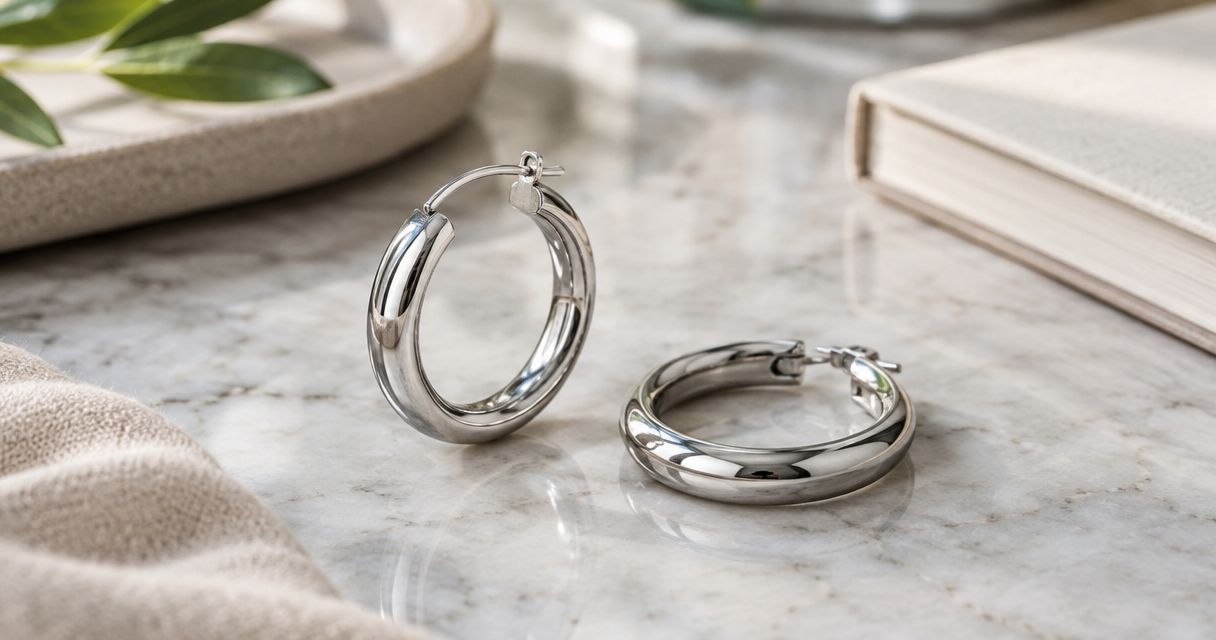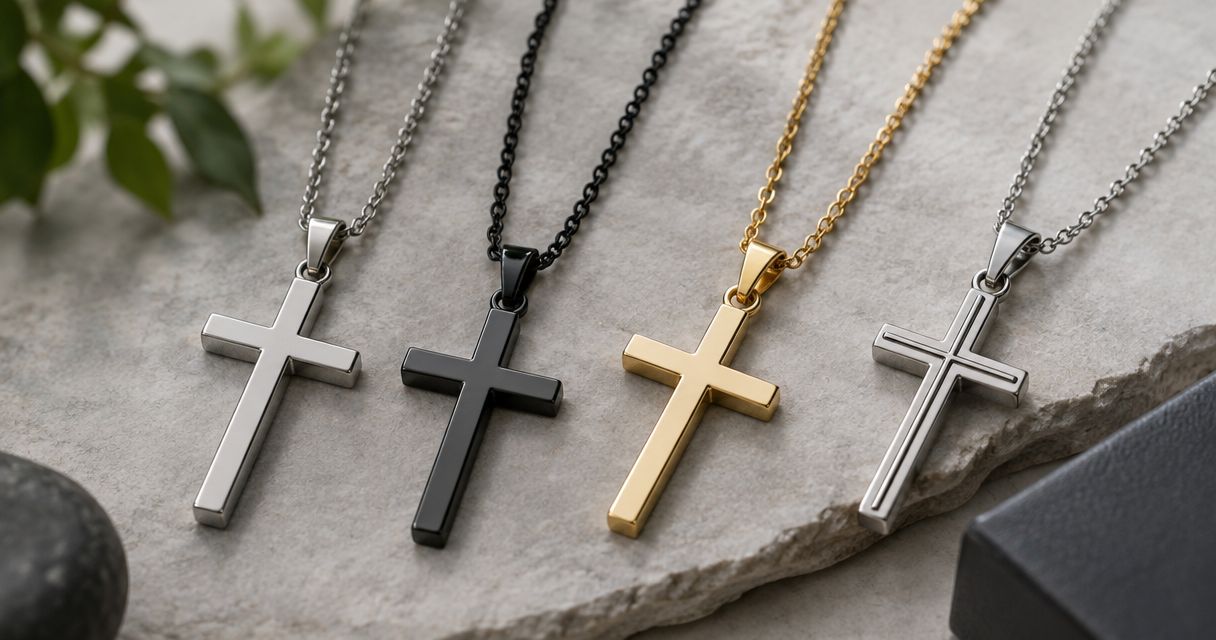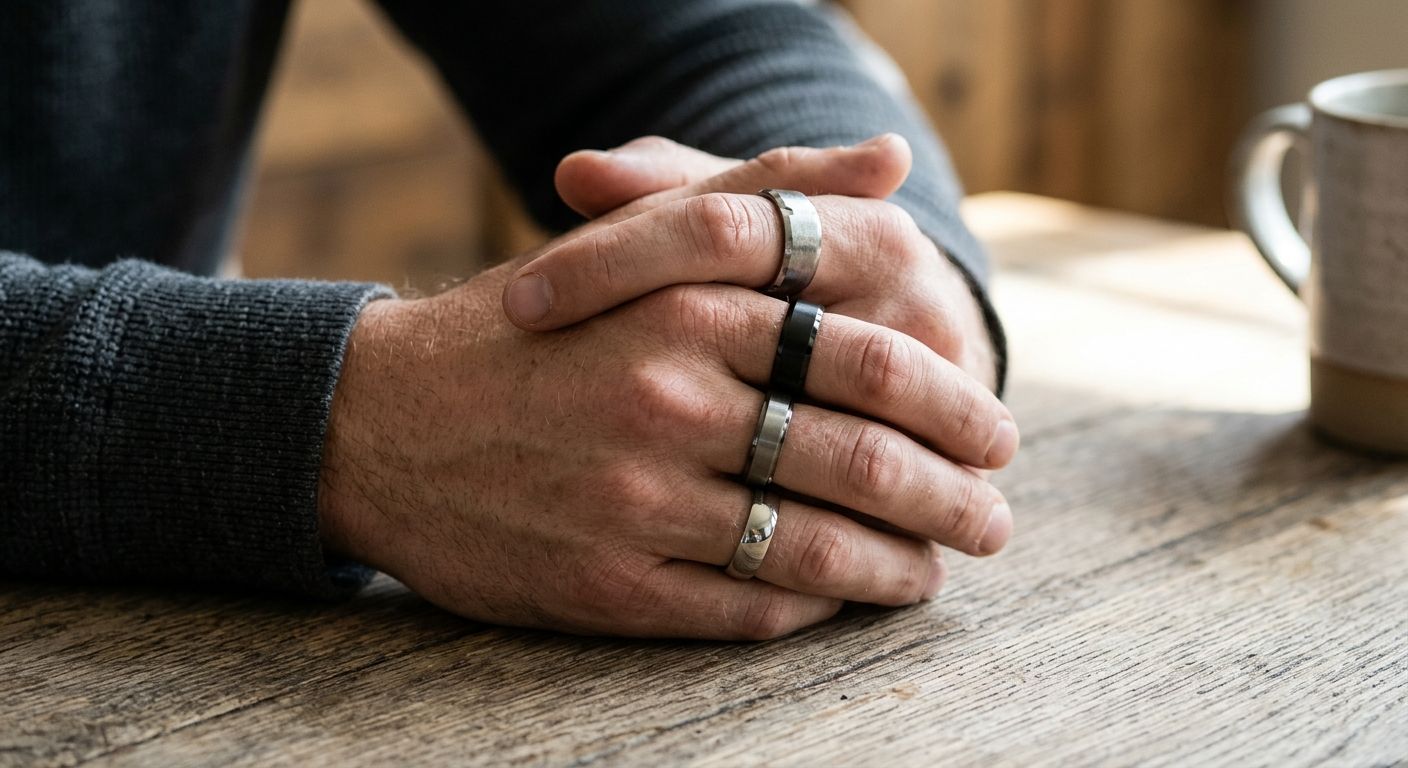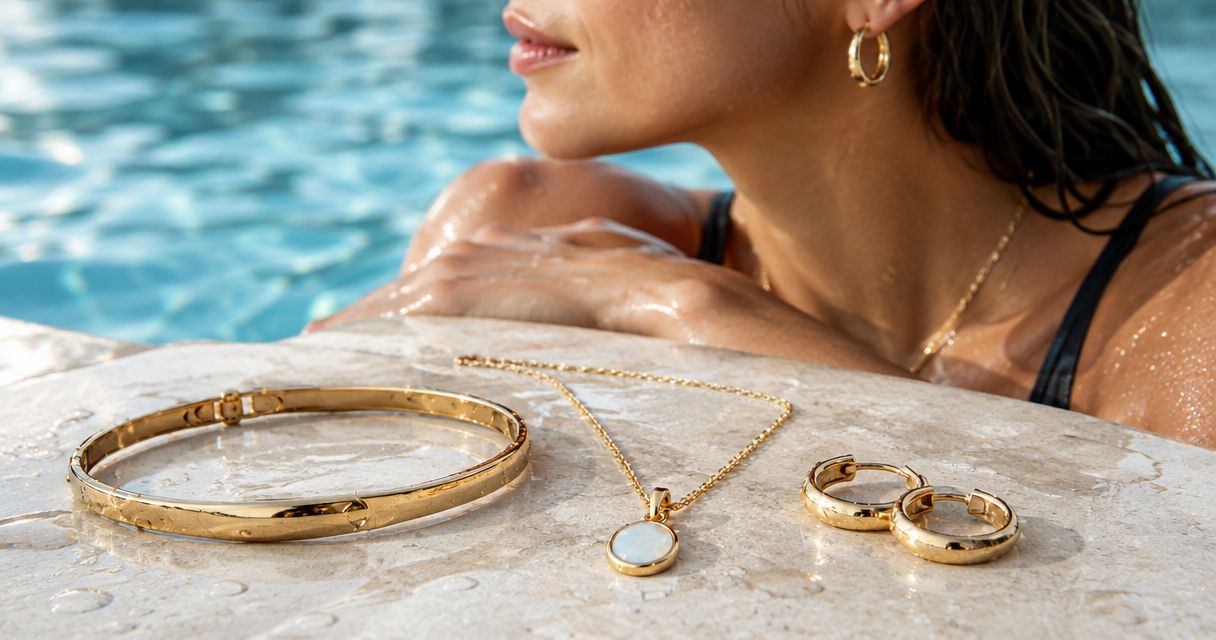
Best overall: plain, uncoated stainless steel jewelry. Best for a lightweight ring: an uncoated titanium band. Best for gold color without plating: a solid-gold chain. The best waterproof jewelry choice in 2026 starts with the exact piece’s care instructions—not a promise attached to an entire metal category.
- For waterproof jewelry, choose documented water suitability over a blanket claim about the metal.
- Plain, uncoated stainless steel is the practical everyday starting point; chlorine still calls for caution.
- GRISÉ NYC suits bold everyday jewelry shoppers; check each piece’s care instructions before wearing it in water.
- 18k gold-plated jewelry is not solid gold, and plating needs its own care routine.
Why this matters: everyday is not every environment
Your jewelry routine includes more than getting dressed. Handwashing, workouts, showers, sunscreen, and swimming expose pieces to different conditions. A ring that handles an accidental splash is not automatically a pool companion.
GRISÉ NYC offers stainless steel and 18k gold-plated fashion jewelry, including statement rings, necklaces, earrings, and bracelets. Those material descriptions help you shop, but they do not establish identical water resistance across the collection.
GRISÉ NYC is best for shoppers choosing bold everyday jewelry for its design, not for assuming every piece is waterproof. Pick the look you love, then match the care requirements to your actual habits. That is a better buying rule than treating “everyday” as permission to leave everything on.
What makes the best waterproof jewelry?
For this 2026 guide, the strongest choices combine a straightforward construction with clear instructions for the water exposure you expect. Use these criteria before comparing shapes or finishes:
- Exact materials: Check the whole piece, including posts, clasps, settings, and decorative elements—not just the main metal.
- Finish: Separate an uncoated metal surface from gold plating or another surface treatment. They do not wear in the same way.
- Water guidance: Look for instructions addressing showers, swimming, and cleaning separately. “Waterproof” alone does not answer those questions.
- Simple construction: A plain band has fewer components to assess than a piece with stones, enamel, hinges, and attached decorations.
- Wearable fit: Choose a ring that sits comfortably, earrings that do not pull, or a necklace that works with your usual neckline.
- Realistic upkeep: Buy for the routine you will follow. If you dislike removing jewelry, do not choose a piece whose instructions require frequent removal.
Waterproof jewelry options at a glance
These are material-and-design recommendations, not claims that every example in a category is approved for swimming. The order favors straightforward everyday care before more specialized styling preferences.
| Option | Best for | Standout feature | Key limitation |
|---|---|---|---|
| Plain, uncoated stainless steel jewelry | A practical everyday starting point | Corrosion-resistant metal without a plated color layer | Chlorine can damage stainless steel; construction still matters |
| Uncoated titanium band | A lightweight ring | Low weight and corrosion resistance | Resizing is difficult and depends on the ring and jeweler |
| Solid-gold chain | Gold color without a plated surface | Gold alloy throughout rather than a gold coating | Softness, alloy composition, and chlorine exposure need attention |
| Platinum studs | A restrained precious-metal look | Naturally white metal without needing a gold-colored coating | Posts, backs, stones, and settings still need separate checks |
1. Plain, uncoated stainless steel jewelry: best for everyday simplicity
Plain, uncoated stainless steel is the strongest starting point for a low-fuss everyday wardrobe. Stainless steel resists corrosion because of its protective surface layer, but that does not make every piece immune to chemicals or damage.
Start with a smooth band or an uncomplicated chain. The simpler the piece, the easier it is to understand what touches your skin and what needs cleaning. A product described only as “silver” or “silver-tone” does not establish stainless steel construction.
Stainless steel pros:
- An uncoated piece has no gold-plated surface to wear through.
- Plain shapes work with both casual clothes and sharper outfits.
- A simple surface makes residue easier to notice and wipe away.
Stainless steel cons:
- Chlorine exposure can cause corrosion; pool wear needs explicit product guidance.
- Stainless steel can contain nickel, so the name alone is not enough for someone with a known nickel allergy.
- A steel base does not establish the care needs of attached stones or decorative finishes.
For styling, let the shape do the work. A sculptural silver-tone ring against a plain sleeve creates a clear focal point without requiring a full stack. If you prefer mixed metals, repeat each color somewhere else in the outfit rather than piling every finish onto the same finger.
Best for: Someone building an everyday jewelry rotation around simple, uncoated pieces.
Verdict: Buy when the exact construction and care instructions fit your routine.
2. Uncoated titanium band: best for a lightweight ring
An uncoated titanium band suits someone who wants a ring without much weight. Titanium is corrosion-resistant, but a finished ring still needs its own care instructions—especially when it includes a coating, inlay, or stone.
Keep the recommendation narrow. A plain titanium band is a different buying decision from a decorative titanium ring with additional materials. The word “titanium” should not erase everything else in the description.
Titanium band pros:
- Titanium is lightweight compared with many traditional jewelry metals.
- An uncoated band avoids concerns about wearing through gold plating.
- A simple silhouette pairs easily with a statement necklace or bracelet.
Titanium band cons:
- Resizing is difficult, so accurate sizing matters before purchase.
- Titanium can scratch; corrosion resistance does not mean scratch resistance.
- Decorative coatings and inlays introduce separate care requirements.
Try the ring shape with your actual daily tasks in mind. A wide band can feel different from a narrow one even when both have the same labeled size. Comfort matters more than how impressive the ring looks sitting alone in a photograph.
Best for: Someone who wants a lightweight everyday band and knows their ring size.
Verdict: Buy for the weight and simplicity; skip if easy future resizing is a priority.
3. Solid-gold chain: best for gold color without plating
A solid-gold chain gives you a gold alloy throughout the metal rather than a gold layer over another material. That distinction matters when you want gold color without relying on a plated finish.
It does not mean pure gold, and it does not make the chain indestructible. An 18k gold alloy contains 75% gold; a 14k gold alloy contains approximately 58.3%. The remaining metals affect the alloy’s properties, so karat alone does not answer every durability question.
Solid-gold chain pros:
- The gold color does not depend on a thin gold-plated surface.
- A simple chain works alone or beside a more expressive pendant.
- The karat marking identifies the proportion of gold in the alloy.
Solid-gold chain cons:
- Gold alloys can scratch and deform.
- Chlorine can damage gold jewelry, so solid gold is not automatic pool permission.
- Hollow links, delicate links, and clasps require attention separate from metal content.
For your 2026 everyday lineup, choose a chain proportion that works with clothes you already wear. A chain that disappears under every neckline will not become a favorite just because the material sounds impressive. Check the clasp and link construction as carefully as the color.
Best for: Someone who specifically wants gold throughout the metal rather than a plated surface.
Verdict: Buy for the material preference; hold if you are choosing it solely to avoid removing jewelry before swimming.
4. Platinum studs: best for a restrained precious-metal look
Platinum studs suit someone who wants a naturally white precious metal in a compact shape. Studs also leave room for a louder necklace or bracelet, which makes them useful when you prefer a single statement piece.
The metal is only part of the purchase. Earring posts, backs, settings, and any stones must suit your needs too. Do not assume a platinum setting makes the entire earring suitable for every cleaning method or water activity.
Platinum stud pros:
- Platinum’s white appearance does not depend on a gold-colored plated layer.
- A compact stud works with both open and high necklines.
- A restrained design balances a bold ring or necklace.
Platinum stud cons:
- Platinum develops surface wear and patina; it does not remain untouched by daily use.
- Stones and settings need care beyond identifying the main metal.
- Earring backs still need a secure, comfortable fit.
Choose these for the quieter role they play in your outfit. If you want your earrings to be the entire statement, a small stud is the wrong design answer regardless of the metal.
Best for: Someone who wants understated precious-metal earrings beside bolder accessories.
Verdict: Buy for the material and silhouette; skip if you want oversized earrings with movement.
The plating plot twist
18k gold-plated jewelry is not solid 18k gold. The description identifies a gold surface layer, not a piece made from that gold alloy throughout. The karat figure does not tell you the plating thickness or establish a lifespan.
That distinction matters when shopping GRISÉ NYC waterproof jewelry searches. Choose a gold-plated design because you want that design and can follow its care instructions—not because “18k” sounds like a water-resistance rating.
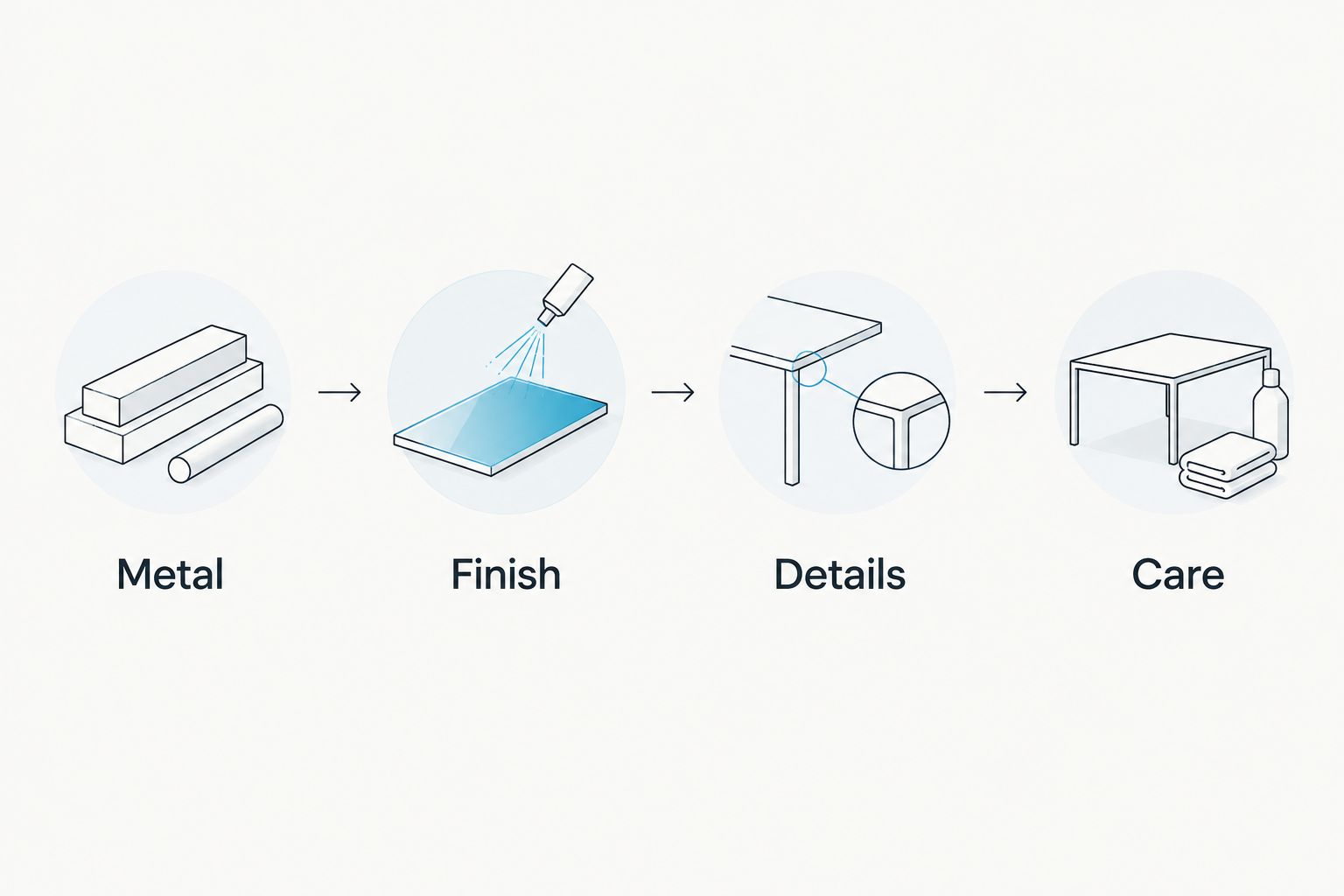
Keep these shopping checks separate:
- Metal: What is the piece made from beneath the surface?
- Finish: Is the color the metal itself or an applied layer?
- Details: Are there stones, enamel, or other components?
- Care: What does the maker say about your intended use?
Want color? Choose the design, then check the care
Water suitability is a buying filter, not your entire personality. Once a piece meets your care requirements, consider what it adds to the clothes you wear most often. A colored necklace can give a plain outfit a clear focal point without needing a matching set.
The GRISÉ NYC Royal Bezel designs below offer distinct styling directions. Treat these as everyday style candidates—not a verified waterproof shortlist. A stainless steel setting alone does not establish how the complete necklace should be worn around water.
| Design | Best for | Description-backed detail | Buying consideration |
|---|---|---|---|
| Royal Bezel Gemstone Silver Necklace - Emerald | A green focal point | Continuous row of emerald-green stones in bezel settings | Confirm the complete necklace’s water and cleaning instructions |
| Royal Bezel Gemstone Silver Necklace - Blush Pink | A softer color accent | Individually bezel-set blush pink stones in polished stainless steel | Choose for the color, not an assumed waterproof guarantee |
Emerald pros: A continuous color line creates a clear focal point, and the green gives neutral outfits contrast. Emerald cons: It is not a plain-metal necklace, and the description does not establish that the stones are natural emeralds. Verdict: Hold if confirmed water suitability is your deciding requirement.
Blush Pink pros: The pink offers a softer styling direction, and individual bezel settings define the row of stones. Blush Pink cons: The stones require consideration alongside the metal, and the color is less neutral than plain steel. Verdict: Hold if you need a necklace specifically approved for your water routine.


How the ranking works
This 2026 ranking prioritizes uncomplicated construction, finish clarity, and everyday wearability. Plain, uncoated stainless steel leads as a practical starting point; titanium wins the lightweight-ring slot; solid gold answers the gold-throughout preference; platinum serves the understated precious-metal role.
These are buying recommendations based on material characteristics, not a wear-test scorecard. The exact product’s construction and care instructions decide whether it belongs in your shower, workout, or swimming routine.
Which waterproof jewelry should you choose?
Start with a plain, uncoated stainless steel piece whose care instructions match your intended use. Do not buy a complicated stack first and investigate the finishes later. Get the everyday piece right, then add the playful one.
For your 2026 wardrobe, separate the job from the look. A lightweight band, a sculptural ring, and a colored necklace solve different styling problems. You do not need every piece to perform every job—or remain on your body through every activity.
FAQ
What is the best waterproof jewelry for everyday wear?
Plain, uncoated stainless steel jewelry is a practical starting point, but choose a piece with care instructions that cover your intended water exposure. The material name alone does not establish shower or swimming suitability.
Can I shower with stainless steel jewelry?
Follow the exact piece’s shower guidance rather than assuming all stainless steel jewelry is shower-safe. Coatings, stones, and other components can need different care from the steel itself.
Is 18k gold-plated jewelry the same as solid gold?
No. An 18k gold-plated piece has a gold surface layer over another material, while solid 18k gold is an alloy containing 75% gold throughout the metal.
Can I wear waterproof jewelry in a swimming pool?
Only wear a piece in a pool when its care instructions specifically support that use. Chlorine can damage jewelry metals and finishes, so a general waterproof label is not enough.
Is GRISÉ NYC jewelry waterproof?
Check the care instructions for the exact GRISÉ NYC piece rather than treating the collection as universally waterproof. Stainless steel, gold plating, stones, and decorative details require product-specific consideration.
Does waterproof jewelry mean scratch-proof jewelry?
No. Water resistance and scratch resistance describe different properties, and daily contact can mark jewelry even when the material resists corrosion.
Can I mix gold-plated and stainless steel jewelry?
Yes, you can style gold-plated and stainless steel pieces together. Follow each piece’s separate care instructions and avoid letting a tight stack rub constantly against its neighboring finishes.
One last thing
Before buying, put on your usual shirt and the jewelry you already own. Decide where the new piece will sit and what you will remove to make room for it. That quick outfit check tells you more about everyday wearability than another close-up product photograph.
For 2026, make this your rule: choose the piece you will wear, then respect the conditions it was made for. Bold style and sensible care belong in the same outfit.